Introduction
There's a moment that happens to almost everyone on their first morning in Kathmandu. You step outside, maybe to find coffee, and within about ninety seconds you've walked past a woman arranging marigolds on a stone shrine, a kid doing homework on a shop's front step, a cow that owns the sidewalk and knows it, and a temple that's been standing since before your country existed. Nobody around you reacts. This is just Tuesday.
That's the thing about Kathmandu Valley that photos never quite capture. It's not a city with some historic sites bolted on for tourists. It's a place where the religious calendar still shapes daily life, where families have run the same corner shop for four generations, and where the architecture isn't a museum piece behind glass — you can touch it, sit under it, watch a wedding procession pass through it.
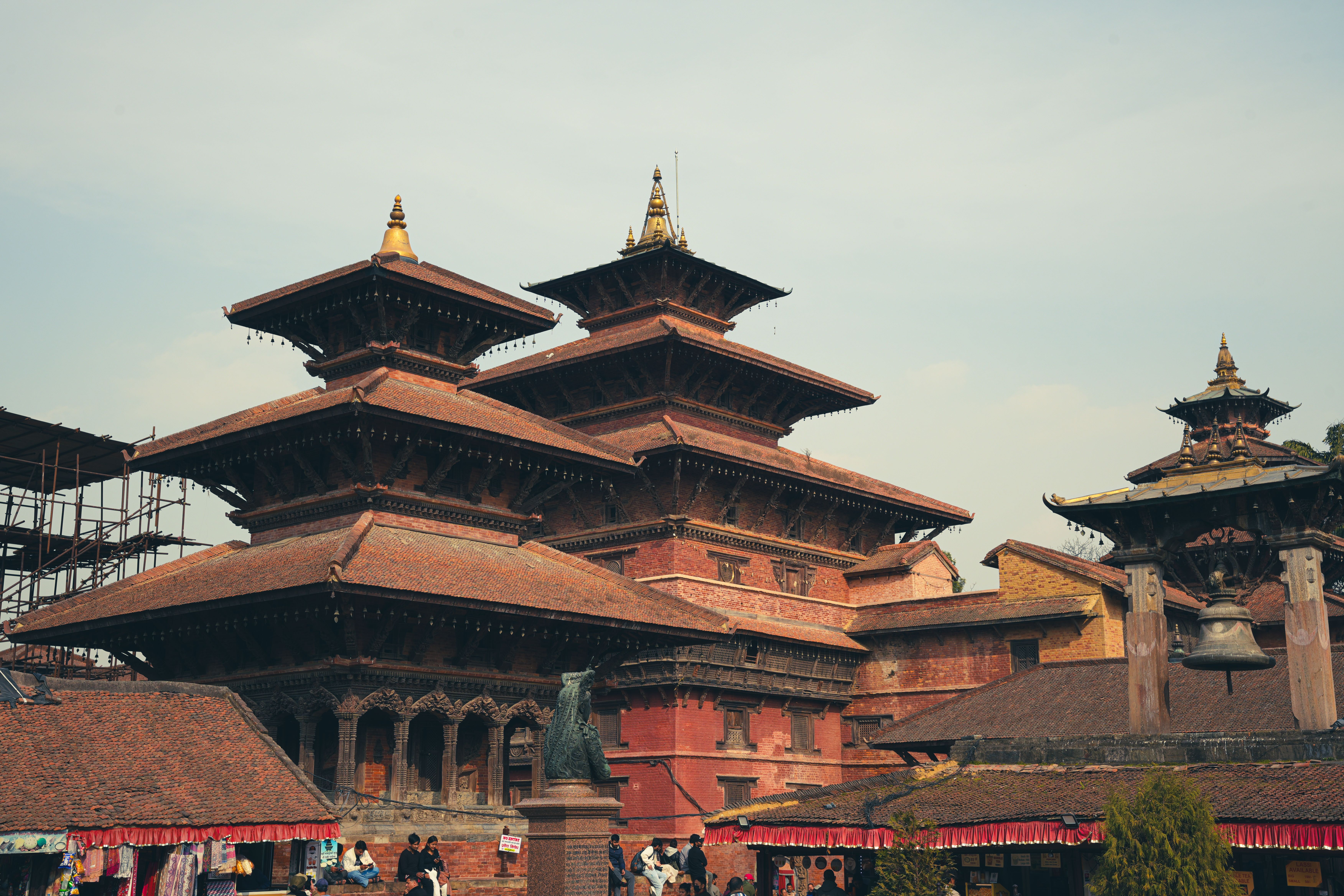
The valley itself is really three old kingdoms fused into one urban sprawl: Kathmandu, Patan (also called Lalitpur), and Bhaktapur. Each was once its own capital, ruled by its own king, and each developed its own artistic style, its own festivals, its own rhythm. That rivalry, centuries old, is exactly why the valley has three separate UNESCO-listed Durbar (palace) Squares within a 20-minute drive of each other — an architectural density that's genuinely rare anywhere in the world.
This guide is built for people landing in Nepal for the first time. It'll walk you through when to go, where to stay, what to eat, how to budget, which day trips are worth the drive, and the small etiquette details that make locals warm up to you instantly. By the end, you should feel ready to land at Tribhuvan International Airport without that slightly anxious "what have I gotten myself into" feeling.
One quick note before we start: visa fees, entry requirements, and official advisories change from time to time, so always double-check current rules on your government's travel advisory site and Nepal's Department of Immigration before you fly.
Why Visit Kathmandu Valley?
History That's Still Being Lived In
Kathmandu Valley has been continuously settled and fought over for well over a thousand years, passing through the Licchavi, Malla, and Shah dynasties. Most of what you'll photograph — the carved wooden windows, the multi-tiered pagoda temples, the palace complexes — dates from the Malla period, roughly the 12th through 18th centuries, when the three rival kingdoms competed to outbuild each other. That competition is a gift to modern travelers: it's why the architecture here is so dense and so ornate.
Culture You Can Actually Participate In
This isn't a place where culture is performed for visitors at set showtimes. Newar culture (the valley's indigenous ethnic group) runs on a genuine ritual calendar — daily offerings at neighborhood shrines, seasonal processions, life-cycle ceremonies happening in courtyards you'll wander past on an ordinary Wednesday. You're allowed to watch, and often to quietly join, as long as you're respectful about it.
Three UNESCO World Heritage Kingdoms
Kathmandu Valley holds seven UNESCO World Heritage monument zones packed into roughly 15 miles across: the three Durbar Squares (Kathmandu, Patan, Bhaktapur), the Hindu temple complex of Pashupatinath, the Buddhist stupas of Swayambhunath and Boudhanath, and the temple town of Changu Narayan. Few places on earth let you cover that much heritage without a long-haul flight between each stop.
Food That Rewards Curiosity
Newar cuisine is one of the most underrated food cultures in Asia — built around momo, bara, chatamari, and slow-fermented rice beer, with entire feast traditions (bhoj) built around specific ceremonies. We'll get into specifics in the food section below.
Architecture Found Nowhere Else
The pagoda roof — that tiered, curved silhouette you associate with East Asian temples — is generally believed to have originated in the Kathmandu Valley before spreading along trade routes into Tibet and China. The valley's woodcarving tradition, especially around windows, struts, and doorframes, is its own art form.
Festivals Almost Year-Round
Nepal's lunar calendar means there's rarely a month without a festival somewhere in the valley — Indra Jatra, Dashain, Tihar, Holi, Bisket Jatra, and dozens of neighborhood-specific celebrations. Timing a trip around one is one of the best things you can do (more in the Best Time to Visit section).
Genuinely Warm, Unhurried Locals
Nepali hospitality has a real term behind it: atithi devo bhava, "the guest is a form of the divine." You'll notice it in small ways — a shopkeeper who insists you sit for tea before you buy anything, a stranger who walks you halfway to your destination instead of just pointing.
The Gateway to the Himalayas
Kathmandu is also simply the launchpad. Nearly every trekking permit, flight to the mountains, and expedition briefing starts here. Even if you're not trekking this trip, you'll feel that mountain energy in the trekking shops of Thamel and the domestic terminal humming with flights bound for Lukla and Pokhara.
Quick Facts about Kathmandu
Category | Details |
|---|---|
Capital of | Nepal (Kathmandu is the national capital) |
Elevation | Roughly 1,400 m (4,600 ft) above sea level |
Currency | Nepalese Rupee (NPR) |
Language | Nepali (official); Newar widely spoken locally; English common in tourist areas |
Time Zone | Nepal Time (NPT), UTC +5:45 — yes, the 45 minutes is intentional |
Religion | Predominantly Hindu and Buddhist, deeply intertwined; freedom of religion is constitutionally protected |
Emergency Numbers | Police: 100 · Ambulance: 102 · Fire: 101 · Tourist Police: 1144 |
Visa Summary | Most nationalities get a Visa on Arrival at Tribhuvan International Airport: roughly $30 for 15 days, $50 for 30 days, $125 for 90 days (2026 rates — verify current fees before travel) |
Internet | Wi-Fi common in hotels, cafés, and restaurants in tourist areas; speeds vary |
SIM Cards | Ncell and Nepal Telecom both sell tourist SIMs at the airport and in Thamel; passport photo required |
Power Plugs | Type C, D, and M sockets; 230V. Bring a universal adapter — outages happen, so a power bank helps |
Local Tip: Save the Tourist Police number (1144) in your phone the moment you land. They're used to helping foreigners and speak English.
Best Time to Visit Kathmandu Valley
Spring (March–May)
Warm days, clear-ish mornings, and rhododendrons blooming on the surrounding hills. This is peak trekking season too, so Kathmandu gets busy with people heading to or from the mountains. Occasional pre-monsoon haze can dull the Himalayan views from the valley itself.
Summer / Monsoon (June–August)
Hot, humid, and wet — expect a heavy afternoon downpour most days, with clear mornings. The valley turns lush and green, crowds thin out, and prices drop. Not ideal for long treks, but fine for cultural sightseeing if you don't mind an umbrella.
Autumn (September–November)
The single best window for most travelers. Skies clear after the monsoon, temperatures are comfortable, and this stretch overlaps with Nepal's two biggest festivals, Dashain and Tihar. It's also the busiest and most expensive season, so book accommodation early.
Winter (December–February)
Cold mornings and nights (down to near freezing), but reliably sunny days and the clearest mountain views of the year from Kathmandu's viewpoints. Thinner crowds, lower prices. Bring real layers — many budget guesthouses aren't well heated.
Recommended months: late September through November, and March through April, for the best mix of weather, visibility, and festival timing.
Did You Know? Nepal Standard Time is UTC+5:45 — one of only a handful of countries in the world using a 45-minute offset, reportedly set relative to Mount Everest's longitude.
How to Get There
International Airport
Tribhuvan International Airport (KTM), Nepal's only international gateway, sits about 15–20 minutes from central Kathmandu (longer in traffic). Most travelers connect through hubs like Delhi, Doha, Abu Dhabi, Bangkok, Kuala Lumpur, or Istanbul, since direct long-haul flights from North America, Europe, and Australia are rare.
Getting Around the Valley
Taxis: Widely available, and drivers rarely use the meter with tourists. Agree on a price before getting in, or ask your hotel what a fair rate looks like for your route.
Ride-sharing apps: Pathao and inDrive both operate in Kathmandu and tend to be cheaper and more transparent than street taxis, with fares set in advance.
Local buses and micro-vans: Extremely cheap and an authentic experience, but crowded, not always clearly signed, and not ideal for a first-timer without some Nepali.
Walking: The best way to experience Kathmandu's old core, Patan, and Bhaktapur, all of which have pedestrian-friendly historic centers. Just watch for uneven cobblestones and the occasional motorbike squeezing through a lane built for foot traffic centuries ago.
Common Mistake: Assuming Google Maps travel-time estimates account for Kathmandu traffic. Add 30–50% extra time, especially during weekday rush hours.
Where to Stay
Thamel is the classic first-timer base — walkable, full of restaurants, trekking shops, and nightlife. For something quieter but still central, look at areas near Durbar Marg, Lazimpat, or Boudhanath if you want mornings by the great stupa.
Category | What to Expect | Good For |
|---|---|---|
Luxury | 5-star international brands and heritage properties with valley or mountain views, spas, and fine dining | Honeymooners, special occasions, comfort-focused travelers |
Mid-range | Clean, well-run boutique and business hotels, often family-owned, usually including breakfast | Most first-time visitors |
Boutique | Restored Newari-style buildings with carved wood details and courtyard charm | Travelers who want atmosphere over amenities |
Budget | Simple guesthouses, often with hot water on a schedule rather than 24/7 | Backpackers and long-stay travelers |
Hostels | Dorms and private rooms, common in Thamel, good for meeting other travelers | Solo travelers, trekkers passing through |
Local Tip: Book your first one or two nights before arrival, but consider waiting to book the rest until you've walked around and picked a neighborhood you actually like — Kathmandu rewards flexibility.
Where to check availability and current rates: [Booking.com — Kathmandu hotels] (affiliate link placeholder)
[Best Hotels in Kathmandu]
Top Things to Do in Kathmandu Valley
Kathmandu Durbar Square
The old royal palace complex of the Kathmandu kings, packed with temples, courtyards, and the residence of the Kumari, Nepal's living goddess. Badly damaged in the 2015 earthquake, much of it has since been carefully restored using traditional techniques — watching the restoration work itself is fascinating if you're interested in craftsmanship.
Local Tip: Foreign visitors need a paid entry ticket to walk through the square itself, but you can view a surprising amount from the surrounding streets for free if you're on a tight budget.

Patan Durbar Square
Many longtime Nepal travelers will tell you Patan's Durbar Square is the most beautiful of the three — denser with intricate stone and metalwork, and centered around the excellent Patan Museum, one of the best-curated museums in South Asia. Patan is also the valley's traditional center for metal and lost-wax casting; you can watch artisans working in small workshops nearby.
[Best Things to Do in Patan]

Bhaktapur
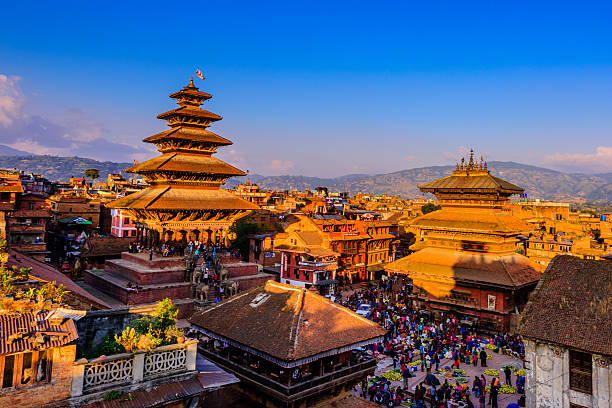
The best-preserved of the three old cities, largely because it was historically a bit more isolated from Kathmandu's rapid modern growth. Cars are mostly kept out of the core, so it feels almost frozen in the Malla period — pottery squares, timber-frame houses, and the tallest temple in Nepal, the five-tiered Nyatapola. Give Bhaktapur a half or full day; it's easy to rush and regret it.
[Best Things to Do in Bhaktapur]

Swayambhunath
Known informally to travelers as the "Monkey Temple" for its resident troops of macaques, this hilltop stupa is one of the oldest religious sites in the valley. The climb up (365 stone steps from the eastern entrance) is worth it for the panoramic view over Kathmandu alone, even before you account for the stupa itself.

Boudhanath
The largest stupa in Nepal and a major center of Tibetan Buddhism, ringed by monasteries, prayer-flag-draped rooftops, and a steady, meditative flow of pilgrims walking clockwise (always clockwise) around the base. Go at dusk when the butter lamps are lit and the circuit fills with maroon-robed monks — it's one of the most quietly moving experiences in the valley.

Pashupatinath
One of the holiest Hindu temple complexes dedicated to Shiva anywhere in the world, set along the Bagmati River. Non-Hindus can't enter the main temple itself, but you can view the complex, including the open-air cremation ghats, from across the river. This is a real, active place of mourning and worship — approach it with the same quiet respect you'd bring to any funeral, and skip it if you're looking for a casual photo stop.

Garden of Dreams
A restored neoclassical garden right next to chaotic Thamel, and one of the best-kept secrets for a quiet coffee break. Small entry fee, genuinely peaceful, with a nice café inside.

Asan and Indra Chowk
These are working local markets, not tourist recreations — spice sellers, fabric shops, flower stalls, and centuries-old shrines wedged between them. Come hungry and just wander; it's one of the best places in the valley to see everyday Kathmandu life up close.

Thamel
The tourist hub: trekking gear shops, bookstores, rooftop restaurants, and bars. It's touristy by valley standards but still genuinely useful, especially for last-minute gear or booking a trek.

Hidden Courtyards and Newari Architecture
Some of the best experiences in Kathmandu aren't on any list — they're the small residential courtyards (bahal) tucked behind unmarked doorways off the main streets, especially around the old city core and Patan. Many are open to the public and hold a small shrine or stupa at the center. Wandering with no fixed plan for an hour is genuinely one of the best things you can do here.
Did You Know? Traditional Newari houses were built without nails — wooden joints and carved struts hold the structure together, some of which have survived multiple major earthquakes.

Food Guide: What to Eat in Kathmandu Valley
Dish | What It Is |
|---|---|
Momo | Nepal's most famous dumpling — steamed or fried, filled with buffalo, chicken, or vegetables, served with a spicy tomato-sesame chutney |
Newari Khaja | A mixed platter (beaten rice, spiced potatoes, bean salad, marinated meats) traditionally eaten as an afternoon snack with rice beer |
Yomari | A steamed rice-flour dumpling shaped like a fig, filled with molasses or sesame paste, traditionally made for the Yomari Punhi festival |
Chatamari | Often called "Newari pizza" — a rice-flour crepe topped with egg, minced meat, or vegetables |
Bara | A savory lentil pancake, sometimes topped with an egg or minced meat |
Sel Roti | A ring-shaped, slightly sweet rice-flour doughnut, especially common around Tihar and Dashain |
Juju Dhau | "King of yogurt" — a rich, caramelized set yogurt originating in Bhaktapur, served in clay pots |
Aila | A traditional Newari distilled spirit — strong, and usually only found in local homes or Newari-focused restaurants rather than tourist bars |
Where to try it: Look for small Newari restaurants in Patan and Bhaktapur rather than the international-menu spots in Thamel — that's where the food tends to be most authentic. Bhaktapur's central squares are particularly known for Juju Dhau; try to get it fresh rather than pre-packaged.
Local Tip: Newari feasts (bhoj) are traditionally eaten with the hands, seated on the floor, off a large plate — if you're invited to one, it's a genuine honor, and it's fine to ask politely how things are typically eaten if you're unsure.
[Kathmandu Food Guide: Where to Eat Like a Local]
Suggested Itineraries
1 Day in Kathmandu
Morning at Swayambhunath, then Kathmandu Durbar Square, lunch in Asan market, afternoon at Boudhanath for the golden-hour circuit around the stupa.
2 Days
Day 1 as above. Day 2: full day in Patan — Durbar Square, the Patan Museum, and a wander through the metalworking lanes, finishing with dinner in Thamel.
3 Days
Days 1–2 as above, then a full day dedicated to Bhaktapur, including lunch there (try the Juju Dhau) and a slow walk through the pottery square before sunset.
5 Days
Days 1–3 as above, then add a day trip to Nagarkot for sunrise Himalayan views (see below), and a final day for Pashupatinath, the Garden of Dreams, and any shopping or trekking-gear errands left on your list.
Local Tip: Don't try to do all three Durbar Squares in a single day just because they're close together on a map — each deserves a slower pace, and Kathmandu traffic will eat more time than you expect.
Easy Day Trips From Kathmandu
Nagarkot — A hill station about 90 minutes from the city, famous for sunrise and sunset views of the Himalayan range on clear days, including distant glimpses of Everest.
Pharping — A quieter, sacred site south of the city with important Buddhist and Hindu shrines, including a cave associated with Guru Rinpoche, and noticeably fewer tourists than the valley's headline sites.
Chobar — Known for the Chobar Gorge, where legend says the Bagmati River's outlet was cut by the bodhisattva Manjushri to drain the ancient valley lake, plus the atmospheric Adinath Temple nearby.
Kirtipur — A hilltop Newari town with excellent valley views and a much more local, unhurried feel than central Kathmandu — good for travelers who've already covered the main sites and want something quieter.
Shivapuri — The high ridge on the valley's northern edge, part of Shivapuri Nagarjun National Park, popular for short hikes, birdwatching, and views back down over the whole valley.
Jamacho — A buddhist moastery situated at the top of Nagarjun Hill, surrounded by green and lush forest. 3-4 Hour's hike.
[Best Easy Treks Near Kathmandu]
Easy Treks Near Kathmandu
If you want a taste of trekking without committing to a multi-week Himalayan expedition, these routes are doable in one to three days and start right from the valley rim:
Chisapani — A gentle 1–2 day out-and-back with forest trails and Himalayan views from the ridge
Nagarkot — Can be combined into a short overnight hike-and-sunrise trip rather than just a day drive
Shivapuri — A solid day hike through national park forest with a real sense of wilderness surprisingly close to the city
Dhulikhel — A charming Newari town about an hour east of Kathmandu, a popular starting point for short ridge walks with mountain views
These routes are a good low-commitment way to test how your body handles altitude and hiking before considering something bigger like Everest Base Camp or Annapurna.
Practical Travel Tips
Money: Carry cash for markets, small vendors, and temples — card acceptance is improving in hotels and mid-range restaurants but still inconsistent elsewhere.
ATMs: Widely available in Thamel and central Kathmandu; withdrawal limits per transaction are often lower than you'd expect, so budget for multiple withdrawals and check your home bank's foreign transaction fees.
Safety: Kathmandu is generally safe for tourists, including solo travelers, though standard city precautions apply — watch your belongings in crowded markets and use registered taxis or ride-share apps at night.
Water: Don't drink tap water. Bottled water is everywhere, but a refillable bottle with a good filter cuts down on plastic waste significantly over a trip.
Scams: Be cautious of unsolicited "guides" at temple entrances who latch on and demand payment afterward, and of trekking permit or gear shops pushing hard-sell tactics — it's fine to say you'll think about it and walk away.
Dress code: Modest clothing (shoulders and knees covered) is appreciated at temples and religious sites, even outside strict entry requirements.
Temple etiquette: Remove shoes before entering temple interiors, walk clockwise around stupas, and never touch or step over religious objects, offerings, or people seated for worship. Photography of cremation ceremonies at Pashupatinath is considered deeply disrespectful — don't.
Photography: Always ask before photographing people up close, especially at religious sites or private courtyards. A smile and a gesture toward your camera goes a long way.
Wi-Fi: Common in hotels and cafés in tourist areas, less reliable outside them. A local SIM or eSIM with a data package is worth it if you plan to navigate, translate, or stay in touch on the go.
Transportation: Confirm fares before you get in a taxi, and don't be afraid to walk away if a price feels inflated — it usually is.
[Ultimate Nepal Packing List]
Estimated Budget
Style | Daily Estimate (USD) | Includes |
|---|---|---|
Budget traveler | $25–40 | Dorm or basic guesthouse, local food, public transport, occasional entry fees |
Mid-range | $60–100 | Comfortable hotel, mix of local and Western meals, taxis/ride-share, guided visits to major sites |
Luxury | $150+ | High-end hotel, private drivers, fine dining, spa, curated tours |
These figures cover accommodation, food, local transport, and entry fees, but not international flights, travel insurance, or trekking permits. Travel insurance is strongly recommended for any trip involving altitude or remote areas — medical evacuation costs in Nepal can be significant without it.
Recommended: check current travel insurance options before you book flights.
Packing Checklist
Lightweight layers (mornings and evenings can be cool even in warm months)
A scarf or shawl for temple visits and sun/dust protection
Comfortable, broken-in walking shoes
A daypack or travel backpack for day trips and treks (affiliate link placeholder)
Reusable water bottle with a filter
Sunscreen and sunglasses (the valley's elevation means stronger UV than sea-level destinations)
Basic first-aid kit and any personal medication
Power bank and universal plug adapter
A local SIM card or eSIM set up before or right after arrival (affiliate link placeholder)
Copies of your passport and visa documents, digital and printed
Cash in small denominations (USD for visa fees, NPR for daily spending)
Modest clothing for temple visits
A basic Nepali phrasebook or translation app