Table of Contents:
The total cost summary
Flights: Kathmandu to Lukla (and back)
Permits and entry fees
Accommodation: teahouses on the trail
Food and water
Guide and porter costs
Gear and equipment
Travel insurance
Miscellaneous costs most people forget
Budget vs mid-range vs luxury: a side-by-side comparison
How to do the EBC trek on a tight budget
Is it worth it? A frank assessment
1. The Total Cost Summary
Before diving deep, here is a realistic overview:
Budget style | Total cost (excl. international flights) |
|---|---|
Budget (solo, no guide, guesthouse-only) | $1,100 – $1,500 |
Mid-range (guide + porter, teahouses) | $1,800 – $2,800 |
Comfortable (small group, better teahouses) | $2,500 – $3,500 |
Luxury (lodge-to-lodge, private guide) | $5,000 – $9,000+ |
These numbers are for a standard 14-day trek from Lukla to EBC and back. If you add days for acclimatisation or side trips to Gokyo Lakes, costs increase proportionally.
2. Flights: Kathmandu to Lukla
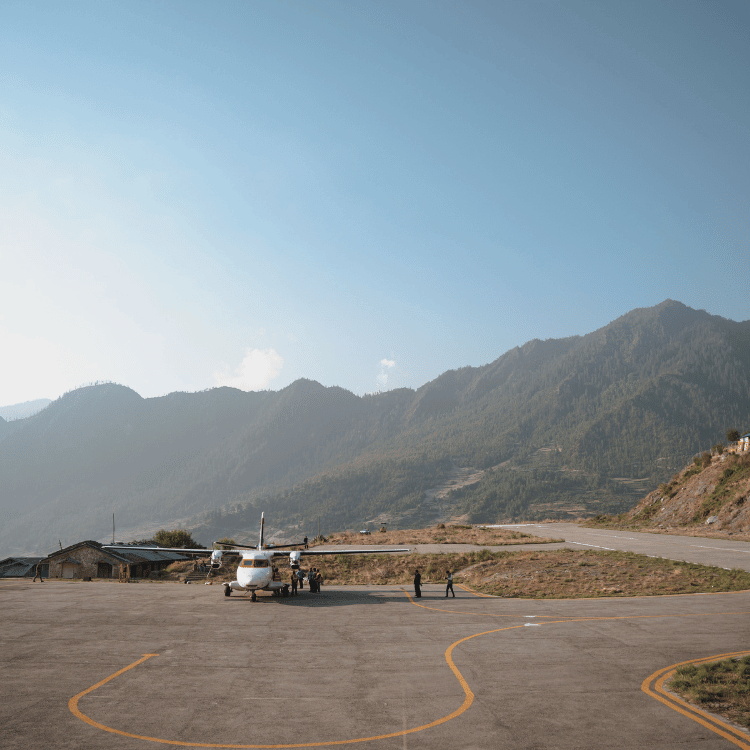
This is where many budgets blow up before the trek even starts.
Kathmandu → Lukla → Kathmandu return: $180 – $350 USD per person
Prices vary significantly depending on:
Season (peak season Oct–Nov and Mar–Apr is more expensive)
How far in advance you book
Which airline you fly (Tara Air, Summit Air, Sita Air are the main options)
Weather delays and rebooking fees
The helicopter alternative: If flights are cancelled (which happens often due to weather at Lukla airport, one of the world's most challenging), a one-way helicopter rescue from Lukla to Kathmandu costs $600 – $1,200 depending on the operator and whether you share the flight.
Travel tip from a local: Book your return Lukla flight at least 2–3 months ahead for October and November departures. The airport operates on a very limited capacity and seats sell out completely in peak season. If you miss your flight, budget an extra $200–400 for rebooking or helicopter alternatives.
3. Permits and Entry Fees
You need two permits to legally trek to Everest Base Camp. Both are mandatory. There are no exceptions.
Sagarmatha National Park Entry Permit
Cost: NPR 3,000 (approximately $22 USD) for SAARC nationals, NPR 3,000 for others
Where to get it: Monjo checkpoint on the trail, or in advance at the Nepal Tourism Board office in Kathmandu
What it covers: Entry into Sagarmatha National Park, which encompasses the entire Khumbu region including EBC
Khumbu Pasang Lhamu Rural Municipality Fee (KP Permit)
Cost: NPR 2,000 per person (approximately $15 USD)
Where to get it: Lukla or Monjo checkpoint
Purpose: A local government fee introduced in 2018, this goes directly to the local municipality
Total permit cost: approximately $37 USD
There is currently no TIMS (Trekkers Information Management System) card required for the Everest region, unlike some other trekking areas in Nepal. This changed a few years ago, which is why some older blog posts still mention it.
4. Accommodation: Teahouses on the Trail
Teahouse accommodation is the backbone of the EBC experience and one of the most misunderstood cost categories.
What is a teahouse?
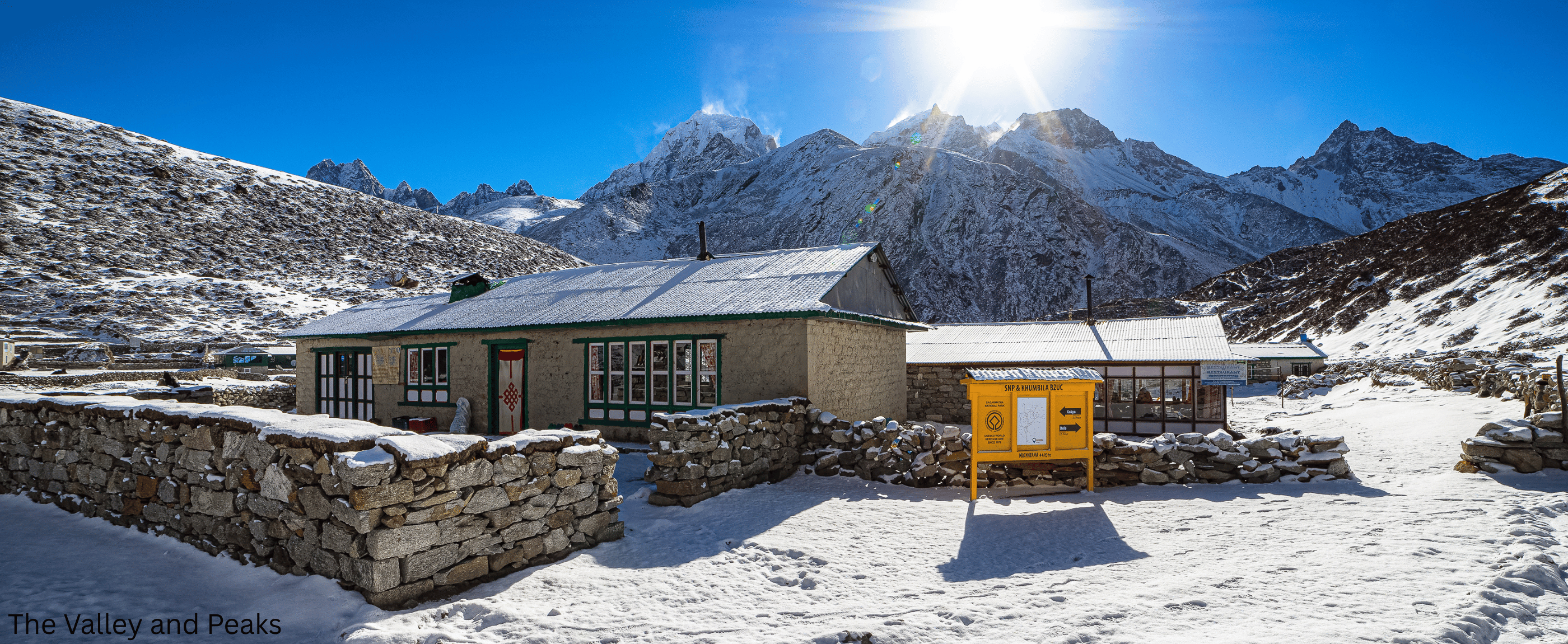
A teahouse is a family-run guesthouse along the trekking route that provides a bed, blankets, and meals. They range from very basic rooms with thin mattresses and shared squat toilets to surprisingly comfortable lodges with attached bathrooms and mountain views.
Teahouse prices by altitude
Elevation zone | Locations | Price per night |
|---|---|---|
Low altitude | Phakding, Namche area | $5 – $15 USD |
Mid altitude | Tengboche, Dingboche | $8 – $20 USD |
High altitude | Lobuche, Gorak Shep | $10 – $25 USD |
The unspoken rule: Most teahouses expect you to eat your meals there if you are sleeping there. It is generally not acceptable to bring your own food or eat at a competitor's teahouse when you are a guest. This is not just cultural expectation — it is how they actually make their money, since room prices barely cover costs.
Important: Teahouse prices are not fixed and are negotiable in low season. In peak season (October–November), teahouses fill completely and some trekkers have had to sleep in dining rooms or storage spaces. Book ahead through your guide or by calling ahead.
Total accommodation cost (13 nights, mid-range teahouses): approximately $200 – $280 USD
5. Food and Water on the EBC Trek
This is where daily costs add up faster than most people expect, especially at altitude.
Meal prices by altitude
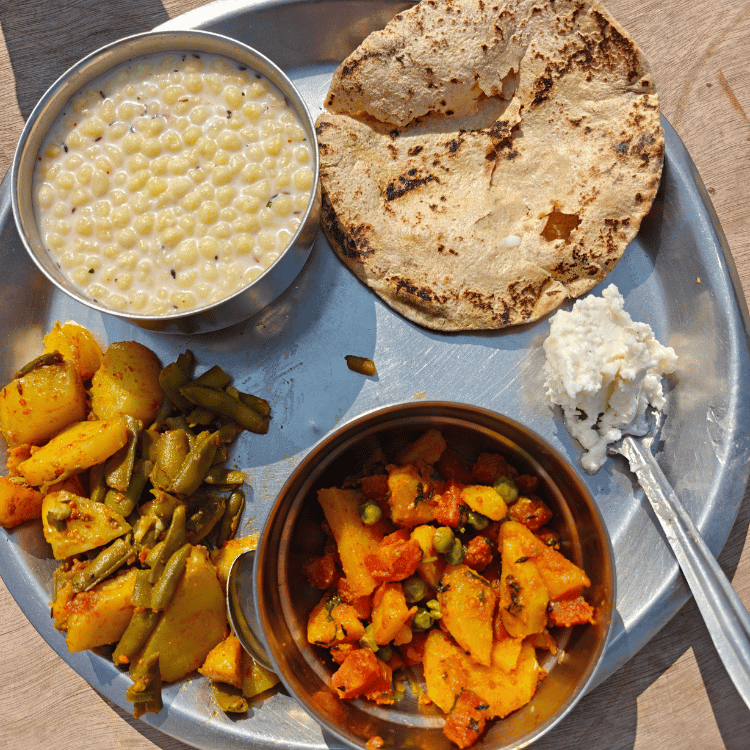
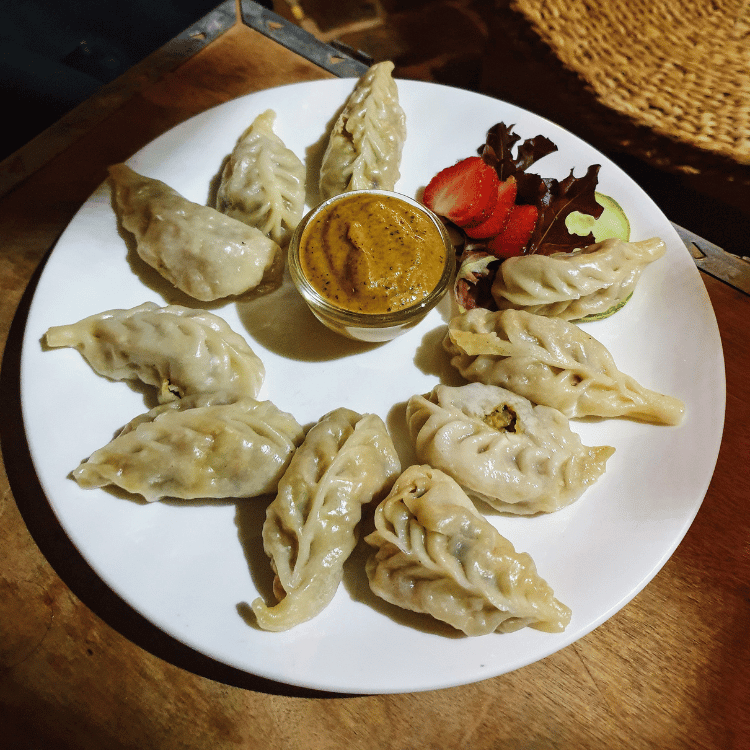
The menu prices increase dramatically with elevation. The same dal bhat that costs $4 in Namche Bazaar will cost $9–12 at Gorak Shep. This is not greed — it is the cost of helicopter-delivered supplies above Namche.
Meal type | Low altitude (Namche) | High altitude (Gorak Shep) |
|---|---|---|
Dal bhat | $4 – $6 | $9 – $14 |
Fried rice/noodles | $5 – $8 | $10 – $14 |
Breakfast (eggs, toast, porridge) | $3 – $6 | $7 – $12 |
Snacks (chocolate, biscuits) | $1 – $3 | $3 – $6 |
Tea (per cup) | $1 – $2 | $2 – $4 |
Water and hydration costs
Buying bottled water on the trail is expensive and environmentally destructive. A 1-litre bottle costs $2–4 at low altitude and $4–7 at high altitude.
Smart approach: Carry a quality water filter (Sawyer Squeeze or LifeStraw) and fill from streams, or use the UV SteriPen purifier. Most teahouses also sell boiled water for $1–2, which is cheaper than bottles. You should be drinking 3–4 litres per day at altitude — this alone could cost $12–28 daily if you rely on bottles.
Recommended budget for food and water per day: $25 – $50 USD depending on altitude and how much you eat (trekking at altitude increases appetite significantly).
Total food and water (14 days): $350 – $700 USD
6. Guide and Porter Costs
This is the most nuanced cost category and the one most travellers get wrong.
Do you need a guide?
Technically, as of 2026, independent trekking to EBC is still permitted — you do not legally require a guide. However, Nepal has been discussing mandatory guide requirements for several years and regulations can change. Check the current rules before your trip.
Practically speaking: A good guide does far more than point you in the right direction. On the EBC route specifically, a guide handles:
Teahouse bookings (critical in peak season)
Communication with locals in Nepali/Sherpa
Medical assessment if altitude sickness symptoms appear
Route decisions in poor weather
Emergency coordination
For first-time trekkers, the question is not really "do I need a guide?" but "can I afford not to have one?"
Guide costs
Guide type | Daily rate | Notes |
|---|---|---|
Certified trekking guide | $30 – $50/day | Licensed by Nepal Tourism Board |
Sherpa guide (local expertise) | $35 – $60/day | Better altitude knowledge |
Porter-guide (combined role) | $25 – $35/day | Usually less experienced |
For a 14-day trek, expect to pay $420 – $840 USD for a guide, plus their accommodation and meals (usually covered separately, not included in the daily rate).
Porter costs
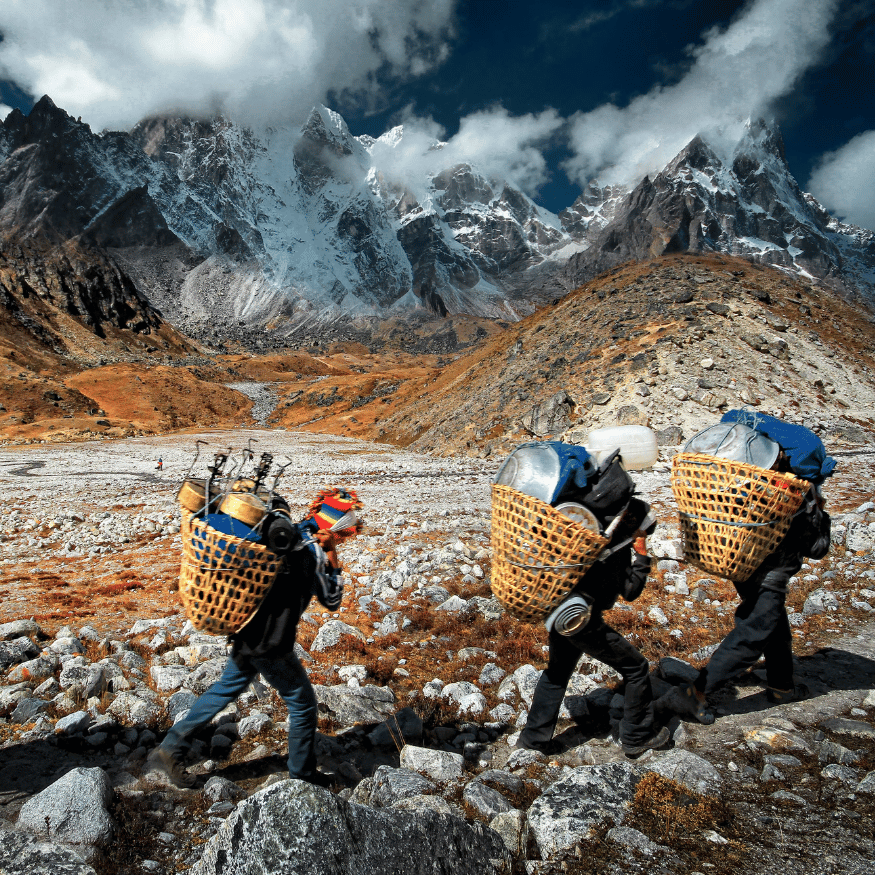
A porter carries up to 25kg of your gear and is an invaluable part of the EBC experience.
Porter daily rate: $20 – $30 USD
Porter accommodation and food: Approximately $10 – $15/day (trekker pays this on top of the daily rate)
14-day porter total: approximately $420 – $630 USD
This is important: Please pay your guide and porter fairly and on time. The trekking industry in Nepal has had well-documented issues with underpayment and exploitation. The rates above are the ethical minimum — some agencies pay less. If you negotiate hard below these rates, you are likely dealing with an operator who underpays their staff.
Total guide + porter (14 days): $840 – $1,470 USD (if hiring both)
Many trekkers hire only a guide (no porter) and carry their own daypack, using a porter only for the first few days. This is a reasonable compromise.
7. Gear and Equipment Costs
What you already have (assumed)
Good trekking boots, base layers, a daypack. If you already own these, your gear costs are minimal.
What you need to buy or rent
Item | Buy (new) | Rent in Kathmandu |
|---|---|---|
Down jacket (-10°C rated) | $80 – $250 | $3 – $5/day |
Sleeping bag (-10°C to -15°C rated) | $120 – $350 | $3 – $5/day |
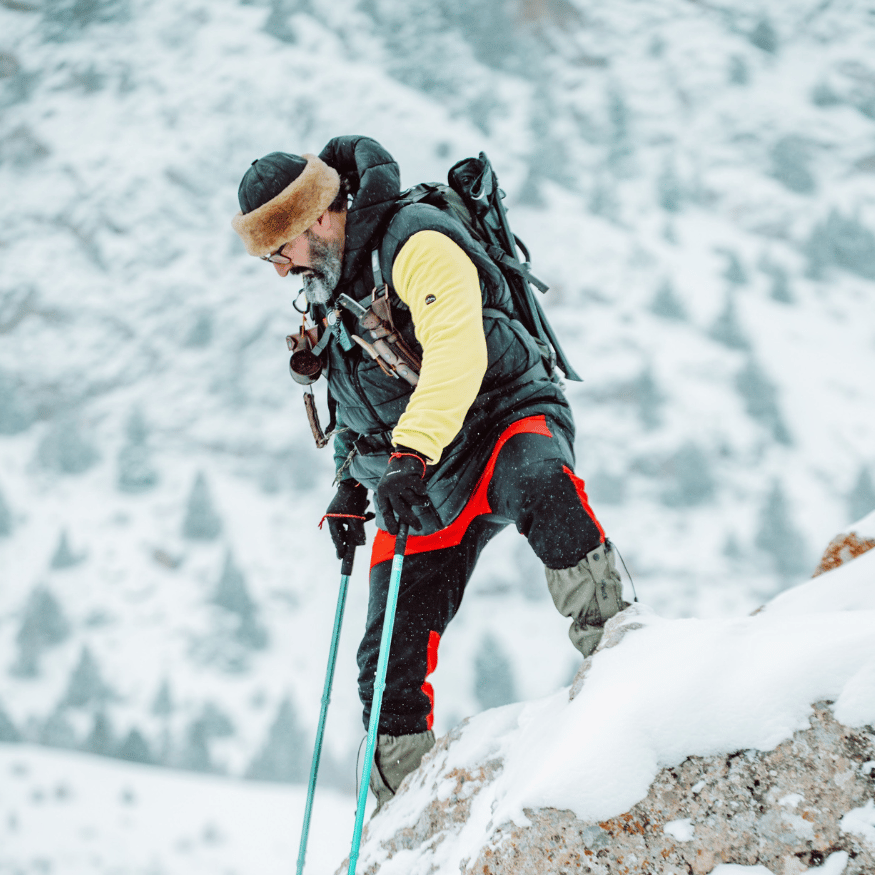
Trekking poles | $30 – $120 | $2 – $3/day |
Headlamp | $20 – $50 | N/A (buy) |
Water filter | $20 – $50 | N/A (buy) |
Kathmandu gear rental: Thamel in Kathmandu has dozens of gear rental shops. For a 14-day trek, renting a sleeping bag and down jacket costs approximately $80–120 total. This is the best option if you are a first-time trekker who does not plan to trek again.
Tip: Check rental gear carefully. Inspect sleeping bag ratings, zipper condition, and hood insulation. Counterfeit North Face and Mammut gear is everywhere in Thamel — this matters for safety at altitude, not just fashion.
Gear budget (if buying key items new): $300 – $800 USD
Gear budget (if renting in Kathmandu): $80 – $150 USD
8. Travel Insurance
This is non-negotiable for the EBC trek. I cannot stress this enough.
A helicopter evacuation from Gorak Shep (the highest point before base camp) to Kathmandu costs $4,000 – $8,000 USD. Without insurance, you pay this yourself.
What your insurance must cover for EBC
Helicopter evacuation (this is the critical one)
High-altitude trekking (many standard travel insurance policies exclude activity above 4,000m or 5,000m)
Emergency medical treatment
Trip cancellation
Recommended insurance providers for EBC (2025)
Heymondo: Strong high-altitude coverage, good claims process, approximately $80 – $120 for a 3-week policy
SafetyWing: More affordable but check altitude limits carefully
World Nomads: Popular but more expensive; good for adventure sports coverage
Always confirm the exact altitude your policy covers. EBC sits at 5,364m. Some policies stop at 4,000m or 5,000m. Read the fine print before you buy.
Travel insurance budget: $80 – $200 USD
Compare travel insurance plans that match your itinerary and adventure activities before you travel.
9. Miscellaneous Costs Most People Forget
These are the costs that quietly wreck budgets:
Charging electronics: Most teahouses charge $1–3 per charge above Namche. Budget $20–40 for the full trek.
Hot shower: Available at most teahouses for $3–8. Worth every rupee after a long day.
Wi-Fi: Many teahouses charge $3–8 per day for slow satellite internet. A local Ncell SIM with data works better up to Namche (around $15 for a SIM + data). Above Namche, internet is unreliable regardless.
Tips: Tipping your guide ($150–250 total) and porter ($80–150 total) at the end of the trek is standard and expected. Budget for this from the start.
Namche Bazaar rest day: Your mandatory acclimatisation day in Namche usually involves a bakery visit, a beer at one of the hilltop bars, and maybe some gear shopping. Budget $30–60 extra here.
Beer and snacks: A beer in Namche costs $4–7. Higher up, prices increase. Budget $5–15/day if you enjoy the occasional drink — you will be in good company.
Souvenirs and gifts: Namche has the best selection of genuine local crafts. Budget $30–100 if you plan to bring gifts home.
Total miscellaneous: $300 – $600 USD
10. Budget vs Mid-Range vs Luxury: Side by Side
Cost category | Budget | Mid-range | Luxury |
|---|---|---|---|
Kathmandu–Lukla flights | $180 | $220 | $350 (helicopter) |
Permits | $37 | $37 | $37 |
Accommodation (13 nights) | $100 | $250 | $1,500+ |
Food and water | $350 | $500 | $800 |
Guide | $0 | $560 | $700 (private, senior guide) |
Porter | $0 | $420 | Included in package |
Gear (rental) | $80 | $150 | $0 (own high-end gear) |
Travel insurance | $80 | $120 | $200 |
Miscellaneous | $150 | $300 | $600 |
TOTAL | ~$977 | ~$2,557 | $4,187+ |
Note: Budget assumes an experienced, self-sufficient solo trekker with their own gear who skips guide and porter. This is not recommended for first-timers.
11. How to Do the EBC Trek on a Tight Budget
If money is a genuine constraint, here is how to keep costs down without compromising safety:
Book directly with guesthouses: Avoid agencies in Thamel that add 30–50% markup on accommodation packages. Call teahouses directly (your guesthouse in Kathmandu can help) or use the TeaHouseBooking app.
Travel in shoulder season: March and November are slightly cheaper than October and April. Expect some haze in March but fewer crowds and lower teahouse prices.
Share a porter with another trekker: Split the cost of one porter between two trekkers. This works well if you meet like-minded travellers in Kathmandu.
Bring your own snacks from Kathmandu: Load up on oats, nuts, energy bars, and chocolate in Thamel before you leave. These cost 3–5x more on the trail.
Use a water filter: As covered above, this saves $100+ over the trek compared to buying bottles.
Skip the satellite Wi-Fi: You are trekking to Everest Base Camp. The photos can wait.
The honest truth about budget trekking: You can reach EBC for under $1,500 all-in (excluding international flights). But doing so solo without a guide carries real risks. If you fall ill with altitude sickness above Namche and you are alone without someone who speaks Nepali, you are in a difficult position. A good guide is money well spent.
12. Is It Worth the Cost?
I have been asked this question many times by people staring at their spreadsheet, wondering if they should do it.
Standing at Everest Base Camp at 5,364 metres, looking up at the Khumbu Icefall with prayer flags snapping in the wind and the world literally spread beneath your feet — no cost calculation feels relevant in that moment.
What I will say practically: the EBC trek is one of the most efficiently wonderful things you can do with $2,000. Compared to a week at a luxury resort, a weekend at a music festival in Europe, or countless other ways people spend similar amounts, the return in terms of experience, personal growth, and frankly the sheer scale of what you see and do is extraordinary.
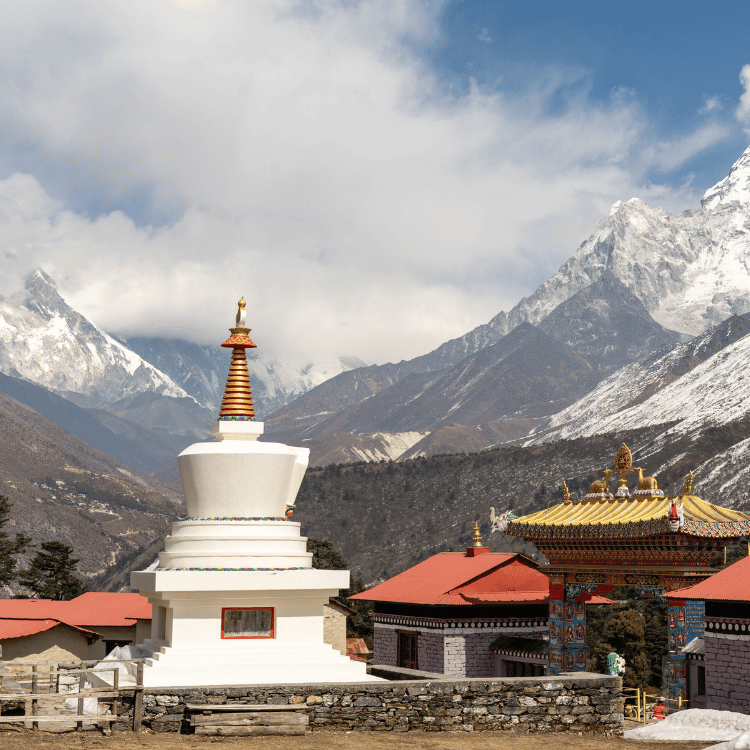
The teahouses are basic. The altitude is humbling. The trail is long. Your legs will protest. And at some point between Namche and Tengboche, walking through rhododendron forests with the Himalayan giants emerging above the clouds, you will know it was the right decision.
Written by The Valley & Peaks team, Nepal-based travel experts with direct knowledge of the Khumbu region. All prices are accurate as of 2026 but subject to change — always confirm current permit fees and teahouse prices on the ground.